



Digitalization has rapidly increased in importance in recent years, fundamentally transforming all industries. The engineering sector has also undergone significant changes. This evolution is now referred to as Engineering Career 4.0.
These changes come with new ways of working. Engineers must adapt to emerging technologies and meet the growing demand for digital skills. Many companies are increasingly relying on automation, and data-driven processes have become the new reality. Artificial intelligence supports businesses across all areas, leading to a significant evolution of the engineering profession.
Table of Contents
- What New Requirements Arise from Digitalization?
- How Do Automation and Artificial Intelligence Drive Innovation?
- What is the Significance of Digital Twins?
- How Do Connected Workflows and Collaborative Tools Function?
- Cybersecurity and Data Protection as a Challenge
- Continuing Education and Lifelong Learning
- What Are the Future Perspectives and Emerging Job Profiles?
Estimated Reading Time: 8 minutes
What New Requirements Arise from Digitalization?
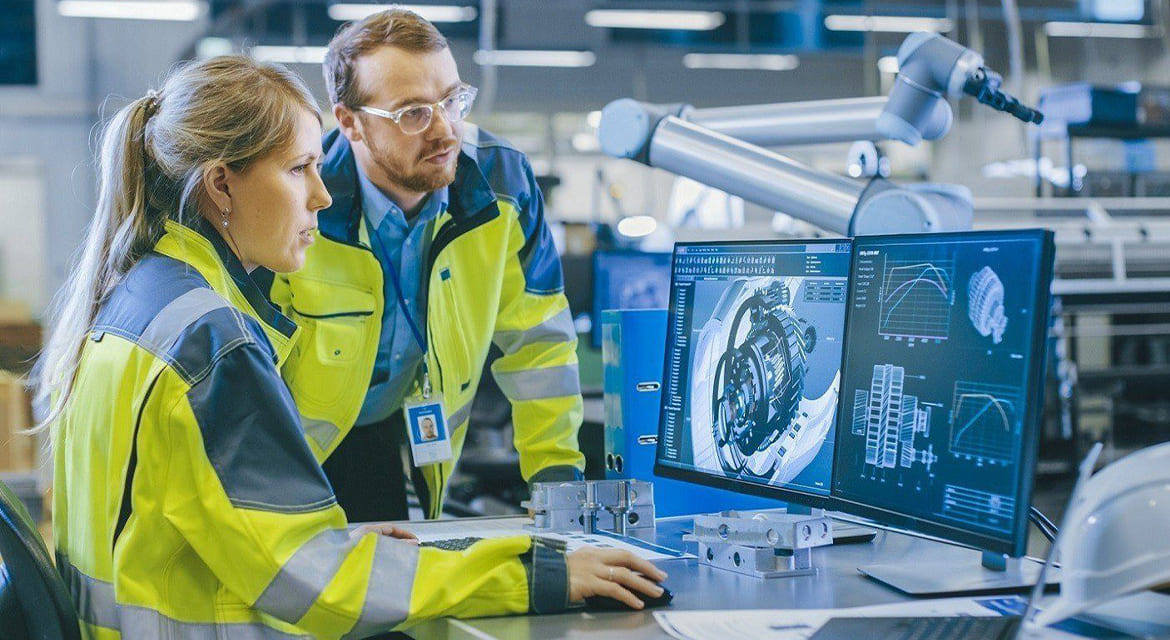
Traditional engineers possess technical knowledge, but in today’s digital era, that alone is no longer sufficient. Naturally, they must still be proficient in classical disciplines such as Mechanical Engineering, Electrical Engineering and in the Civil Engineering , while now also being well-versed in IT Competences. An Engineer 4.0 must also be familiar with programming. They need to be capable of performing data analysis and have a solid understanding of artificial intelligence and its applications. Companies are increasingly using digital tools such as AI-enhanced CAD software, simulations via digital twins, and cloud-based collaboration platforms.
Digitalization also brings a high level of flexibility, which is now expected of engineers. Technologies are evolving rapidly, causing many skills to become obsolete quickly. This means that continuous learning is an integral part of an engineer’s career. Further training in areas such as data science, cybersecurity, and automation technology is crucial for professional success. Those who adapt to these new requirements and are willing to continuously develop their skills will enjoy better long-term career prospects.
How Do Automation and Artificial Intelligence Drive Innovation?
Automation has become a major factor in digitalization. Many processes that were previously carried out manually can now be optimized through intelligent systems. For example, complex production facilities can be controlled, and autonomous robots can perform infrastructure maintenance. Digitalization has advanced to the point where machines communicate with each other, optimizing processes independently without human intervention. This is a significant advantage for engineers who prefer not to perform monotonous, repetitive tasks, allowing them to focus more on creative and strategic responsibilities.
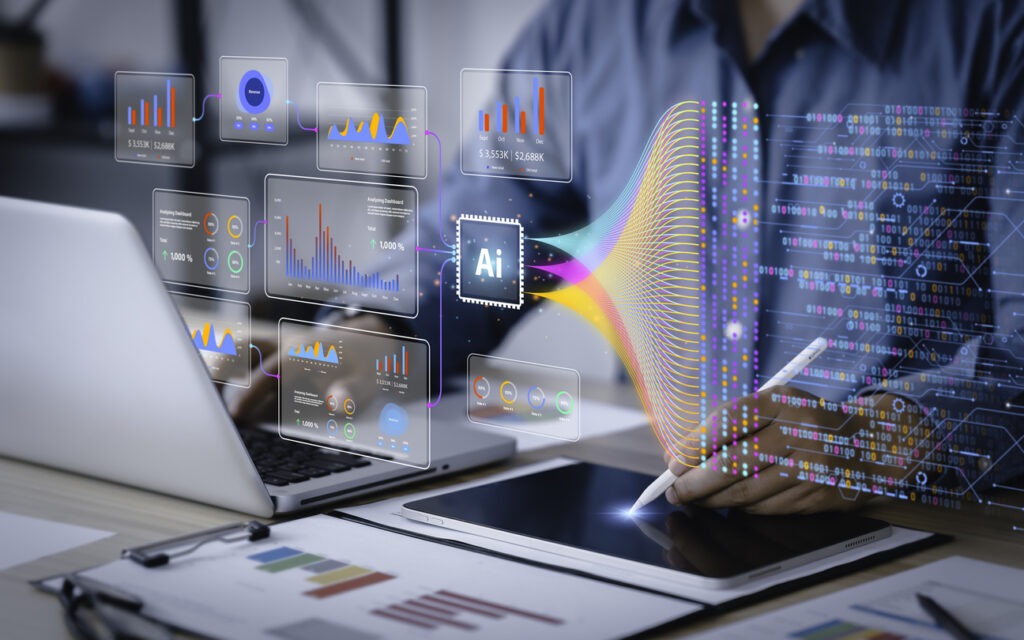
The Artificial Intelligence Artificial intelligence assists engineers in efficiently analyzing large volumes of data, enabling the identification of patterns. This allows errors in production processes to be detected early and risks to be minimized. Additionally, production resources are used more efficiently. Overall, AI contributes to the optimization of production workflows.
Machines can make autonomous decisions through artificial intelligence. They can quickly detect errors and respond to them independently. This shifts the engineer’s role from purely operational tasks to a supervisory and controlling role that involves learning and decision-making. These skills will become increasingly in demand in the future as technologies continue to advance.
What is the Significance of Digital Twins?
Digital twins play a significant role in Engineering Career 4.0. They are virtual models of physical objects or processes that can be updated in real time with sensor data. Engineers often use these digital twins for machine maintenance, simulation of production processes, and optimization of construction projects. They are applied across many areas of production, from product development and manufacturing to maintenance and repair.
Digital twins help engineers identify sources of error at an early stage, allowing them to implement targeted optimizations before physical prototypes are even created. This saves companies costs and significantly reduces development time. A modern engineer must be familiar with these advanced technologies to substantially enhance their career prospects.
How Do Connected Workflows and Collaborative Tools Function?
Teams today often work in a decentralized manner, making it essential to use cloud-based platforms and collaborative tools. This enables professionals to communicate effectively with one another. Many companies already leverage these modern technologies to execute projects more flexibly and efficiently. Therefore, an engineer must be proficient not only in traditional structures but also in digital environments.
In the Industry 4.0 framework, engineers from different disciplines must collaborate closely. Their work involves connecting machines and production processes, often across multiple locations. For example, electrical engineers may work alongside IT specialists, or data scientists may collaborate with mechanical engineers. This means that engineers need not only technical expertise but also strong social skills such as communication and teamwork. Many companies today place significant emphasis on the soft skills that candidates bring to the table.
Cybersecurity and Data Protection as a Challenge
The increasing interconnectedness and digitalization also bring risks. The threat of cyberattacks is rising, making cybersecurity a critical aspect of Engineering Career 4.0. It is essential to minimize both financial damage and security risks. Sensitive data from production processes, internal company communications, and digital models must be extensively protected. Those who can identify security vulnerabilities and implement preventive measures can position themselves as highly sought-after experts.
Engineers with expertise in IT security are now in particularly high demand. They must be knowledgeable in modern encryption methods, technologies, secure networks, and preventive measures against cyberattacks. Data protection is also crucial, especially when using cloud solutions and IoT applications in industry. Those who pursue further training in this field have excellent prospects for a successful career in the digitalized work environment.
Continuing Education and Lifelong Learning
We can all see how rapidly digitalization, along with the use of artificial intelligence and machine learning, has grown in recent years. But this is just the beginning. Technological progress will continue at a fast pace, making it essential for engineers to engage in continuous professional development.
Traditional engineering degree programs are no longer sufficient on their own. Focusing solely on these programs is no longer enough to keep pace with the demands of the modern engineering world. As a result, many companies provide their engineers with internal training programs, digital learning platforms, and partnerships with universities to ensure they stay up to date. This is crucial for companies to remain competitive in the long term.
Training in areas such as artificial intelligence, automation technology, data science, and IT security is particularly in demand. Soft skills like agile project management and change management are also becoming increasingly important. Engineers who are committed to continuous learning have better prospects for career advancement and attractive positions in innovative companies. Those who actively pursue further education and understand new technologies will play a pivotal role in the digital future.
What Are the Future Perspectives and Emerging Job Profiles?
Engineering has fundamentally changed due to digitalization. The demands on engineers have often shifted dramatically. Today, engineers need expertise in artificial intelligence, IT, automation, and connected workflows. It is crucial that they adapt to new technologies and pursue continuous learning to stay up to date and keep pace with evolving technology. The future of an engineering career is digital, connected, and innovative.
Digitalization is also creating new roles within engineering. Data engineers, automation engineers, and AI specialists are now in high demand. Traditional engineering roles are evolving as well. Engineers with expertise in both technical and digital domains are more sought after than ever. They must possess both technical and digital skills and be capable of responding flexibly to new challenges.
Are you looking for engineers for your project? We at Temporary Employment International are happy to help you! We are one of the world's leading personnel service provider in the field of engineering and IT, operating internationally. More about us >>>
Related Topics: